
Buyer Guide · Organic Bean Pasta
How Buyers Should Evaluate Organic Bean Pasta for Private Label
Buyers sourcing organic bean pasta should look beyond the certificate logo. A credible private-label program should connect current certification scope with supplier qualification, order-based cultivation, batch pesticide-residue testing and farm-level oversight. Waldesun manages these controls upstream, then verifies the certified formula and shape before a product is presented as organic.
This guide is for food buyers, retailers, importers, distributors and private-label teams evaluating an organic Bean Pasta supplier, formula, shape and documentation package.
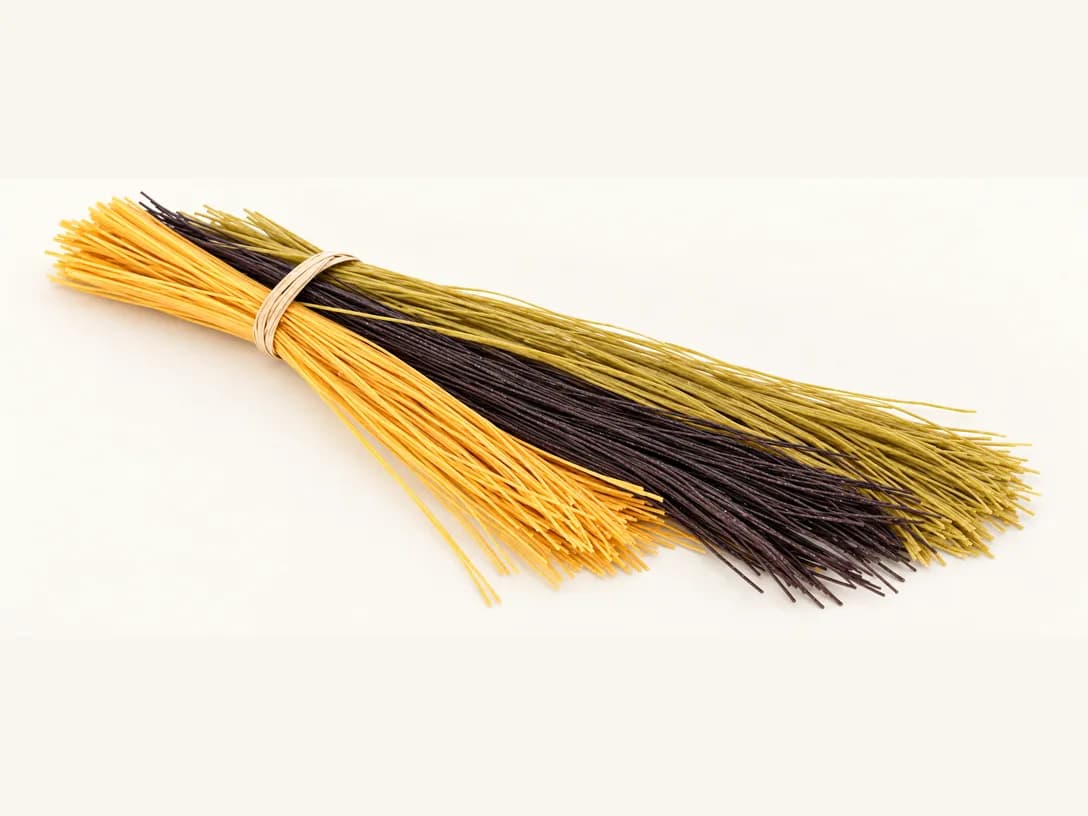
Who this guide is for
This guide is for buyers who need to evaluate an organic Bean Pasta program beyond a certificate logo or a general supplier statement. It is designed for private-label sourcing, product development and supplier-qualification conversations.
What should buyers check when sourcing organic bean pasta?
Buyers should check the exact certified product, formula and shape, then review how organic raw materials are qualified, cultivated, tested and traced. The useful question is not only whether a supplier has an Organic certificate, but whether the proposed private-label specification can be connected to the current certification scope and the upstream control records.
A practical review therefore connects certification scope, supplier management, order-based cultivation, batch pesticide-residue testing, annual farm oversight and product traceability before the final formula and shape are approved.
Why an organic certificate alone is not enough
An Organic certificate is an important control, but it does not by itself answer every buyer question about a specific private-label product. A buyer still needs to identify the relevant product or formula, shape, current certificate scope, raw-material supply chain and project documentation.
Certification and supply-chain management work together. The certificate defines the approved certification framework; supplier qualification, cultivation planning, batch testing and farm oversight help the project team manage the raw materials and records that support the proposed program.
How should certification scope be read?
Certification scope should be read at the level of the exact product or formula and shape, not as a platform-wide assumption. Waldesun's current Organic governance maps evidence from both the EU Organic certificate and the USDA NOP product addendum to specific Bean Pasta formula × shape variants.
Current evidence-backed examples include Edamame Spaghetti, Soybean Spaghetti, Black Soybean Spaghetti, Edamame Lasagne and Edamame & Mung Bean Fettuccine. Being listed in certification scope does not mean a product is in stock, routinely produced or commercially configured for every project. Availability, pack format and final specification remain confirmed by project.
Product or formula
identify the exact Bean Pasta formulation
Shape
confirm spaghetti, fettuccine, lasagne or another listed form
Current certificate scope
check the applicable EU Organic and USDA NOP evidence
Project specification
confirm pack format, labeling and destination-market requirements
Organic Private Label: Certification & Transaction Certificate (TC) Requirements
For organic private-label programs, certification readiness should be confirmed early. It directly affects the project timeline and the ability to issue a Transaction Certificate (TC).
1. Buyer Organic Certification
For shipments that require an organic Transaction Certificate, the buyer must hold the organic certification applicable to the transaction.
If the required certification is not yet in place, the certification process needs to be completed before the shipment can proceed under the organic program and the corresponding TC can be issued.
We recommend confirming the buyer’s organic certification status at the start of the project to avoid later delays.
2. Product Name on the Organic Certificate
Wherever possible, buyers are encouraged to use a product name that is already covered by Waldesun’s current organic certification scope.
Selecting an existing certified product name may avoid the need for a certification scope extension and can therefore help shorten the project timeline.
If a new product name needs to be added to the certification scope, the extension is subject to the certification body’s review and approval process. This step should be planned early when a new name is required.
3. Retail Packaging Artwork Approval
For retail-packed organic products, the final packaging artwork used for production must be reviewed, filed or approved as required by the relevant organic certification body as part of the certification and TC process.
Buyers should therefore provide finalized retail packaging artwork early enough to allow for the required certification review.
If new packaging artwork needs to be filed or approved, the processing time and any related fees are determined by the certification body and confirmed as part of the project. Related filing or certification costs are borne by the buyer.
Recommended Planning Sequence
To reduce the risk of delays, we recommend confirming the following before finalizing the first organic private-label order:
Buyer organic certification → certified product name → approved packaging artwork → production → TC application → shipment
Project-Specific Confirmation
Certification scope, product name status, packaging artwork requirements, TC issuance conditions, processing timelines and related fees remain subject to the applicable certification body requirements and confirmation for the specific project.
- 01
Buyer organic certification
Confirm that the buyer holds the organic certification applicable to the transaction.
- 02
Certified product name
Use a product name within Waldesun’s existing certification scope wherever possible.
- 03
Approved packaging artwork
Provide final retail packaging artwork early enough for the required certification review.
- 04
Production
Proceed once the project requirements and certification dependencies are confirmed.
- 05
TC application
Apply for the organic Transaction Certificate under the applicable certification requirements.
- 06
Shipment
Ship when the project-specific organic and documentation conditions are satisfied.
When the buyer already holds the required organic certification, selects a product name within Waldesun’s existing certification scope, and uses packaging artwork that has completed the required certification review, the organic private-label onboarding process can move significantly faster.
How does Waldesun qualify organic raw-material suppliers?
Waldesun screens, qualifies and manages suppliers used for organic raw-material programs. Supplier management begins before production with review of the relevant supply source and documentation, then continues through ongoing supplier review and batch traceability.
At Waldesun, organic control starts upstream: suppliers are qualified, cultivation is planned against program requirements, each organic-program batch is sampled for pesticide-residue testing, farms are audited annually, and the final product claim is limited to the confirmed certification scope.
This gives a private-label buyer a clearer line of sight from the organic raw material to the proposed Bean Pasta formula. The exact documents and records available for review remain confirmed by product and project.
What does order-based cultivation mean?
Order-based cultivation means organic raw-material planning can be organized against confirmed program requirements rather than treated as a last-minute spot purchase. For a private-label project, this helps the team plan sourcing, documentation and traceability upstream.
It does not mean that a project has unlimited dedicated acreage, a guaranteed harvest quantity, a guaranteed yield or a fixed raw-material price. The practical cultivation and supply position remains confirmed by the program requirements and project review.
Why does Waldesun test every batch for pesticide residues?
Each batch in an organic raw-material program is sampled and sent for pesticide-residue testing. This provides batch-specific laboratory evidence that can be reviewed alongside supplier records and the project documentation.
Batch testing is a separate control from certification. It supports batch review and supplier management; it is not a claim that every batch is residue-free or contains zero pesticide residue. Any result, qualification and market documentation is confirmed by the applicable product and project records.
What happens during Waldesun's annual farm audit?
Waldesun conducts an annual on-farm second-party supplier audit as part of its organic supply-chain management. The audit gives Waldesun a direct supplier and farm oversight activity in addition to its review of certification documents and batch records.
This is a Waldesun supply-chain control, not a third-party certification audit. It does not replace the certification body's audit or expand the certified product scope. The audit record and any follow-up requirements are confirmed within the relevant supplier and project documentation.
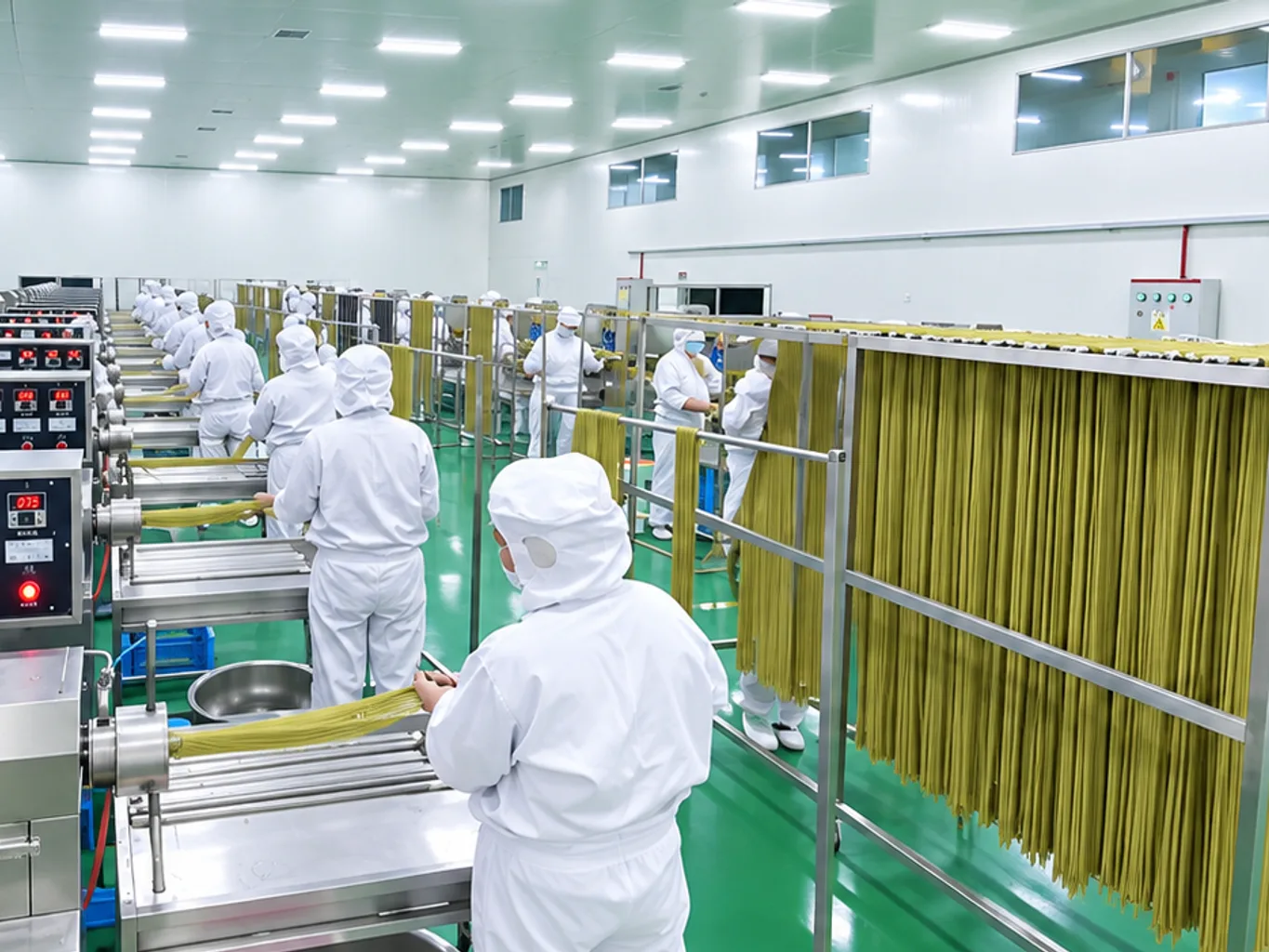
How do certification scope and upstream controls work together?
The controls work as a connected chain: Farm → Supplier → Organic Raw Material → Batch Testing → Factory → Certified Formula / Shape → Private-Label Program.
The chain separates two questions that buyers should review together. Upstream management addresses how raw materials and suppliers are controlled; certification-scope review addresses whether the proposed formula and shape are covered by the current evidence. Neither layer should be used as a substitute for the other.
- 01
Farm
Order-based cultivation planning and annual on-farm supplier oversight.
- 02
Supplier
Qualification, documentation review and ongoing supplier management.
- 03
Organic raw material
Raw-material sourcing is connected to the confirmed program requirements.
- 04
Batch testing
Each organic-program batch is sampled and sent for pesticide-residue testing.
- 05
Factory
The raw material enters the relevant Bean Pasta production and project controls.
- 06
Certified formula / shape
The proposed formula and shape are checked against current certification scope.
- 07
Private-label program
The final specification, labeling and commercial configuration are confirmed by project.
What documents should a private-label buyer request?
A buyer can request the documents needed to connect certification scope, product specification and project requirements. The exact document package is confirmed by product and project; no single list automatically applies to every SKU or market.
Current Organic certificate
confirm the issuing scheme and validity
Product certification scope
check the exact formula and shape
Product specification
review the proposed ingredients and format
Pesticide-residue test documentation
where appropriate for the batch and project
Traceability and batch information
where available for the proposed program
Nutrition, labeling and market documents
as required by the destination market
What to verify before approving an organic bean pasta supplier
Before approval, a buyer should be able to answer the following questions about the proposed program:
Certificate
is the current Organic certificate available for review?
Formula
is the proposed product or formula identified precisely?
Shape
is the proposed shape listed in the applicable current scope?
Supplier management
how are organic raw-material suppliers qualified and reviewed?
Cultivation
is sourcing planned against confirmed program requirements?
Batch testing
is each organic-program batch sampled and tested for pesticide residues?
Farm oversight
is there an annual on-farm second-party supplier audit?
Traceability
can the records connect raw material, batch, formula and shape?
Specification
are product, pack and labeling requirements confirmed?
Market documents
are destination-market requirements identified?
What remains confirmed by project?
The applicable certification scope, formula, shape, product specification, pack format, labeling position, available documents, commercial configuration and destination-market requirements remain confirmed by the individual project.
A product being listed in current certification evidence does not by itself confirm stock status, routine production, pack availability or approval for every market. Waldesun reviews the proposed requirements before a private-label program moves to its next commercial stage.
Buyer FAQ
Does Waldesun's organic certification cover every Bean Pasta product?
No. Organic certification is governed by the exact current formula × shape scope. Buyers should review the applicable EU Organic and USDA NOP evidence for the proposed product rather than assume that certification covers every Bean Pasta formula, shape or pack.
How are organic raw-material suppliers qualified?
Waldesun screens, qualifies and manages suppliers used for organic raw-material programs, with ongoing supplier review and batch traceability. The exact records available for a proposed project are confirmed by product and project.
Does Waldesun test each batch for pesticide residues?
Yes. Each batch in an organic raw-material program is sampled and sent for pesticide-residue testing. This supports batch-specific review and supplier management; it is not a claim that every batch is residue-free or contains zero pesticide residue.
How often are organic farms audited?
Waldesun conducts an annual on-farm second-party supplier audit. This is Waldesun's supply-chain control and does not replace the certification body's third-party audit.
What does order-based cultivation mean?
It means cultivation can be planned against confirmed program requirements so sourcing, documentation and traceability are managed upstream. It does not promise exclusive acreage, guaranteed yield or guaranteed harvest volume.
What organic certification documents can a private-label buyer request?
A buyer may request the current Organic certificate, applicable product certification scope, product specification and relevant batch, pesticide-residue, traceability, nutrition, labeling or market documents. The exact package is confirmed by product and project.
Does the buyer need organic certification for private-label organic products?
For shipments that require an organic Transaction Certificate, the buyer must hold the organic certification applicable to the transaction. The required certification status should be confirmed at the start of the project because it affects whether the shipment can proceed under the organic program and whether the corresponding TC can be issued.
Can we use our own product name for an organic private-label project?
Wherever possible, buyers are encouraged to use a product name already covered by Waldesun’s current organic certification scope. If a new product name must be added, the certification scope extension is subject to the certification body’s review and approval process.
Does retail packaging artwork require organic certification review?
For retail-packed organic products, the final packaging artwork used for production must be reviewed, filed or approved as required by the relevant organic certification body. Processing time and related fees are confirmed for the specific project, and related filing or certification costs are borne by the buyer.
What can delay issuance of an organic Transaction Certificate?
Project-specific dependencies can include the buyer’s applicable organic certification, whether the product name is within the current certification scope, completion of required packaging artwork review, and other certification body requirements. Timelines and TC conditions are confirmed for the specific project.
Need the Bean Pasta commercial context? View Bean Pasta
Discuss Your Organic Bean Pasta Program
Share your target formula, pasta shape, market, pack format and organic requirements. Waldesun can review the relevant certification scope, product specification and project requirements with you.