
Buyer Guide · Product Development
From Benchmark Sample to Golden Sample: How Private Label Product Development Works
If you already have a product, competitor sample or benchmark, you do not need to arrive with a complete formulation. A clear target market, commercial positioning and description of what should stay the same or change can be enough to begin a structured development discussion. Waldesun helps translate those inputs into a product direction for evaluation, revision and eventual specification confirmation.
This guide is for food buyers, brand teams and private-label or OEM developers who want to understand what happens after a benchmark product or sample is sent to a manufacturer.
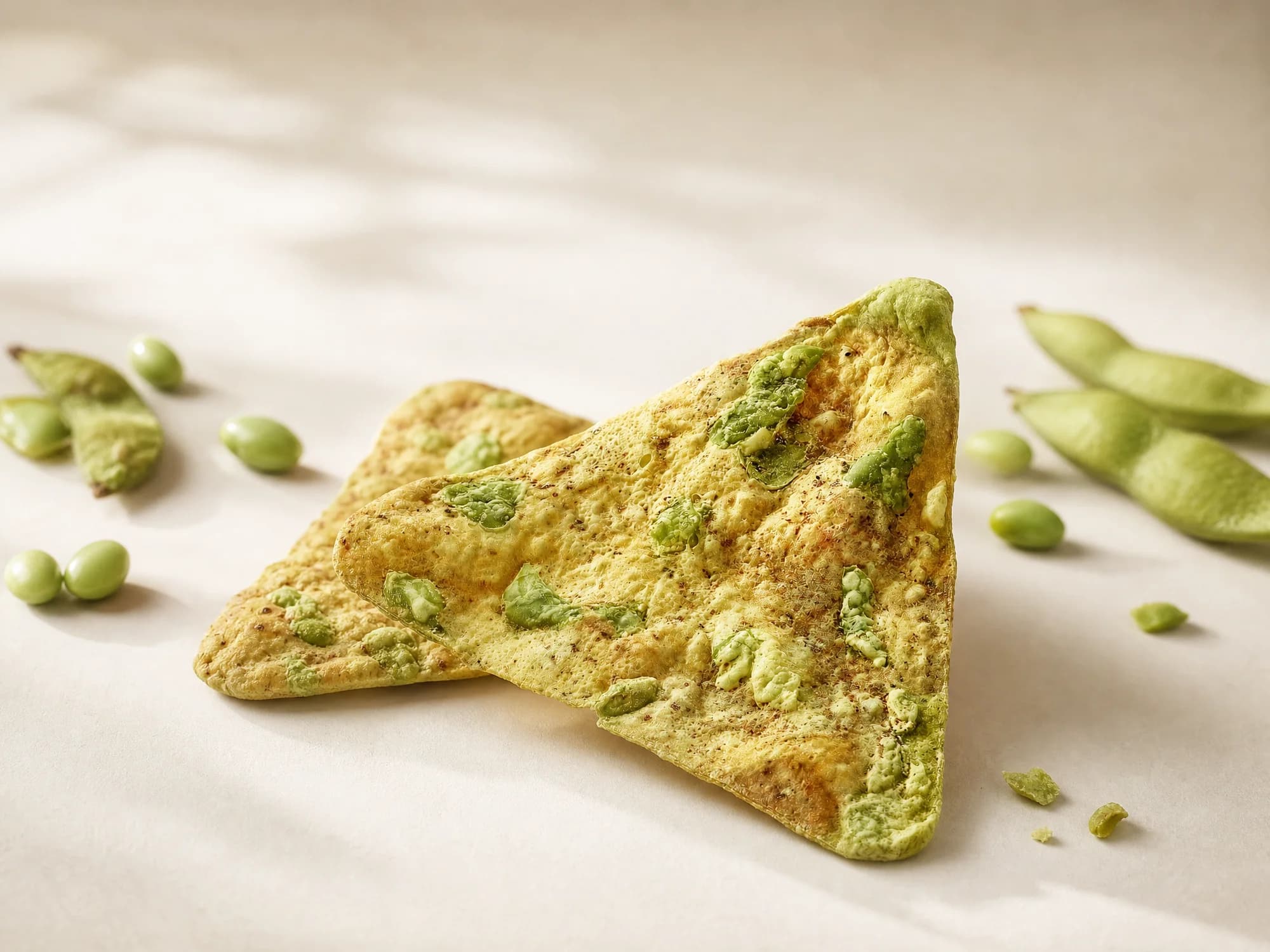
How a benchmark moves toward an approved reference sample
A private-label development project can move from a commercial target and benchmark product through a development brief, prototype or sample, sensory review, revision, an approved reference sample, specification confirmation and then pilot or commercial production. The sequence and project requirements remain confirmed by the individual project.
The buyer often knows the desired market outcome better than the technical route to achieve it. Waldesun's role is to help translate commercial language into development language, an approved product reference and a manufacturable specification.
- 01
Commercial target
Define the market, positioning, channel and product outcome the project is intended to support.
- 02
Benchmark product
Use an existing product, competitor reference, physical sample or written brief to establish a development direction. If no benchmark exists, the development brief can serve as the starting point.
- 03
Development brief
Record what should remain similar, what should change and which ingredient, labeling, pack and commercial requirements need review.
- 04
Prototype / sample
Evaluate an early development sample against the intended sensory, visual, format and preparation direction where relevant.
- 05
Sensory review
Give structured feedback on taste, aroma, texture, appearance and other relevant attributes.
- 06
Revision
Turn buyer feedback and manufacturing feasibility into the next development direction without assuming a fixed number of rounds.
- 07
Approved reference sample
Once the direction is agreed, the approved physical sample can become the reference point for the next commercial stage.
- 08
Specification confirmation
Confirm the written specification, formula or ingredient position, critical attributes, packaging and labeling requirements.
- 09
Pilot / commercial production
Evaluate scale-up and commercial production against the agreed specification and reference, subject to project requirements.
What does a benchmark product establish?
A benchmark gives the development team a direction, not an automatic copy specification. It can help establish sensory direction, format, texture expectations, flavor direction, approximate product experience and commercial positioning.
A benchmark does not automatically establish the exact formulation, process, nutritional values, ingredient system or guaranteed identical reproduction. The development team still needs to review feasibility, requirements and the proposed product specification.
What should I send with a benchmark product?
You do not need to provide a complete technical formulation. The most useful starting point is a clear commercial brief that explains where the product will be sold, what the benchmark represents and what should stay similar or change.
Benchmark product
an existing product, competitor reference, physical sample, written brief or no benchmark
Target market
where the product will be sold
Product positioning
the intended commercial context and target channel
What should stay similar
flavor, texture, appearance or format
What should change
stronger, lighter, firmer, less sweet or a different shape
Ingredient requirements
ingredients to include, avoid or review
Allergen / dietary targets
project requirements for feasibility review
Nutrition / positioning target
where applicable and evidence-based
Pack format
retail, foodservice or bulk context
Forecast volume
commercial feasibility context
Target launch timing
project planning context
What can a first development sample help evaluate?
An early development sample is for evaluation. Depending on the product, it may help the buyer review overall direction, taste, aroma, texture, shape, appearance and cooking or preparation performance where relevant.
Can help evaluate
flavor direction, aroma, texture, appearance, preparation performance where applicable and overall sensory fit
Does not automatically confirm
final commercial tolerance, final packaging, full production consistency, all regulatory documentation, final label approval, commercial availability or final price / lead time
How should buyers interpret early sample variation?
Early development samples may show more variation than commercial production because the project may still be under development or may use smaller-scale or trial conditions where applicable. Minor variation should be evaluated in the context of the sample stage, while true quality concerns still need to be raised and reviewed.
This is a project-specific consideration, not a universal claim that all Waldesun samples are manually made or inherently irregular.
How should I give useful sample feedback?
Useful feedback identifies the attribute and the direction of change. Instead of saying a sample should be better, explain which sensory or product characteristic should be adjusted so the next development direction can be evaluated.
Instead of: Make it better
Say: Increase roasted aroma
Instead of: Too strong
Say: Reduce heat intensity but keep the savory profile
Instead of: Texture is wrong
Say: Target a firmer bite and lower brittleness
Other useful directions
stronger aroma, less sweetness, more visible inclusions, shorter cooking time or cleaner finish where relevant
How does feedback become the next development direction?
A revision direction connects the benchmark, buyer feedback and manufacturing feasibility. The practical relationship is: Benchmark + Buyer Feedback + Manufacturing Feasibility = Next Development Direction.
This does not promise unlimited revisions or a fixed number of sample rounds. It gives the project team a structured basis for deciding what should be reviewed next.
What is an approved reference sample or golden sample?
A golden sample is an approved physical reference available before commercial production. It shows what the product should be like, while the written specification defines what has been agreed.
The approved reference sample should work together with the written specification, ingredient or formula confirmation, sensory expectation, critical dimensions or attributes where relevant, packaging specification, labeling requirements and project records. A physical sample alone should not replace the written specification.
Is a golden sample enough by itself?
No. An approved reference sample should be used together with the agreed written specification and project requirements. The physical sample helps define sensory and visual expectations; the written specification helps define measurable and documented requirements.
What happens before pilot or commercial production?
Commercial production is reviewed against the approved specification and agreed reference. Where applicable, the project may still require scale-up confirmation, process adjustment, packaging confirmation and final document review. Any product-specific acceptance criteria or other production requirements remain confirmed by project.
How does this apply across product categories?
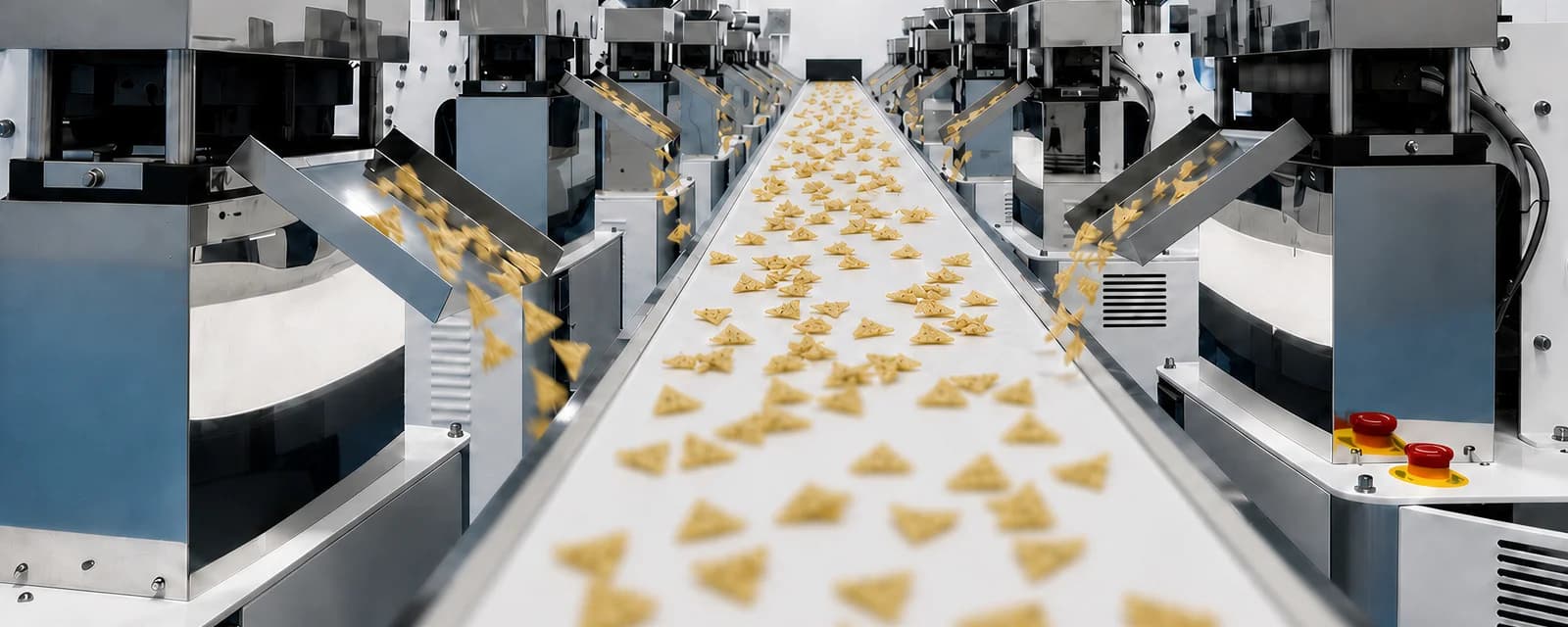
The development questions depend on the product category. For Bean Crisps, a benchmark may help frame flavor, texture, visible inclusions and seasoning direction. For Bean Pasta, buyers may focus on shape, bite, cooking performance and formula direction. For High Protein Instant Noodles, the brief may address format, cooking or rehydration performance, texture and seasoning model.
These are examples of buyer discussion points, not new product claims or guarantees.
Buyer FAQ
What should I send if I already have a benchmark product?
Send the benchmark product or sample together with the target market, positioning, what should stay similar, what should change and any ingredient, nutrition, labeling, pack or commercial requirements that should be reviewed. A complete technical formulation is not required to begin the discussion.
Can Waldesun make an exact copy of an existing product?
A benchmark can establish a development direction, but it does not create a guarantee of exact replication. The proposed product remains subject to ingredient review, sensory evaluation and manufacturing feasibility.
What is the difference between a benchmark sample and an approved reference sample?
A benchmark is an input that helps define the starting direction. An approved reference sample is agreed later as a reference for the next commercial stage and should be used together with the written specification and project requirements.
Does an approved sample guarantee commercial production will be identical?
No. Commercial production should be evaluated against the approved specification and agreed reference, but scale-up, process, packaging and other production requirements may still need to be confirmed by project.
How should buyers give useful feedback on development samples?
Describe the attribute and the desired direction of change. For example, say increase roasted aroma, reduce heat intensity but keep the savory profile, or target a firmer bite and lower brittleness instead of using only general comments such as better or not right.
Is a golden sample enough without a written specification?
No. The physical sample helps define sensory and visual expectations, while the written specification defines the agreed measurable and documented requirements. They should be used together.
Need a product platform context? View Bean Crisps
Start With Your Benchmark
Send us your benchmark product, target market and the attributes you want to keep, change or improve. Waldesun can review the development direction and identify the next sampling step for your private-label project.